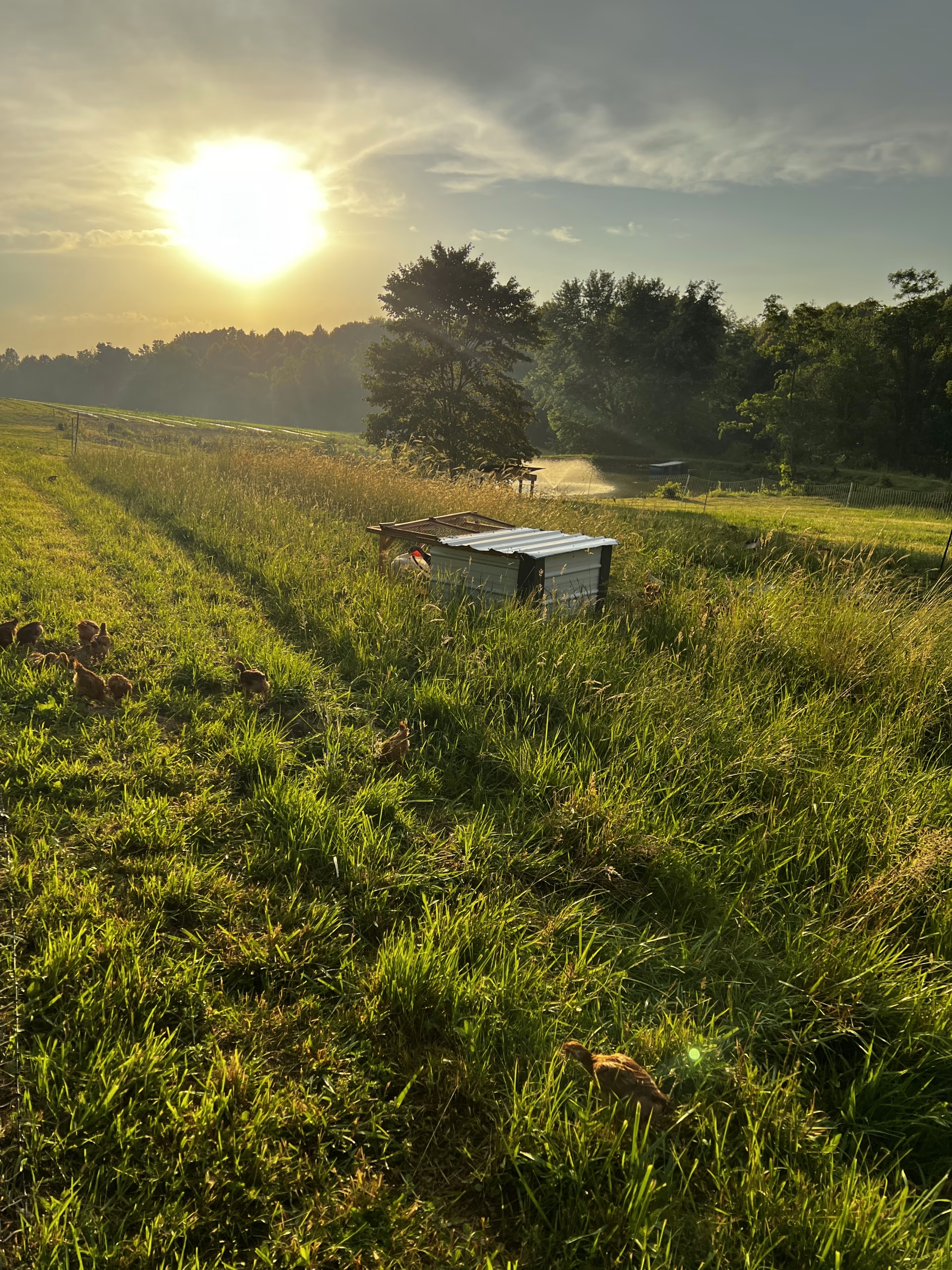

Most conversations about chicken coops focus on cost, convenience, and how many birds it holds. Those things matter. But if you’re farming regeneratively, there’s a fourth question that most coop guides don’t ask: what does this coop do to your land?
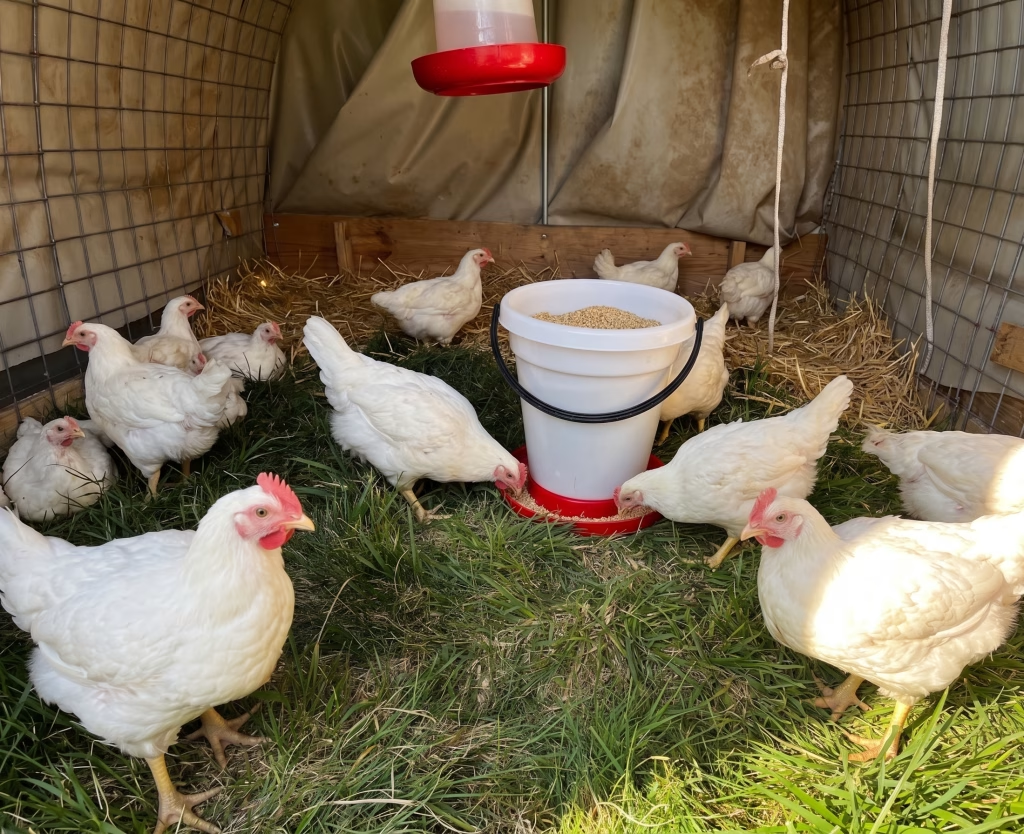
A static coop, whether you built it or bought it, concentrates your birds in one place. That means concentrated scratching, concentrated manure, and over time, a patch of compacted, nitrogen-saturated ground that’s more dirt lot than pasture. Put the same birds in a different system and you get a different outcome. Coop placement is the variable.
This is why I run chicken tractors at Stella Manor, and why I think they’re one of the most underrated tools in a regenerative farming system.
What a chicken tractor actually does
A chicken tractor is a mobile coop, no floor, moved regularly across pasture. The birds live on fresh grass, scratch for insects, and deposit manure as they go. You move the structure every few days, and the land they just worked gets a rest period to recover and incorporate what the birds left behind.
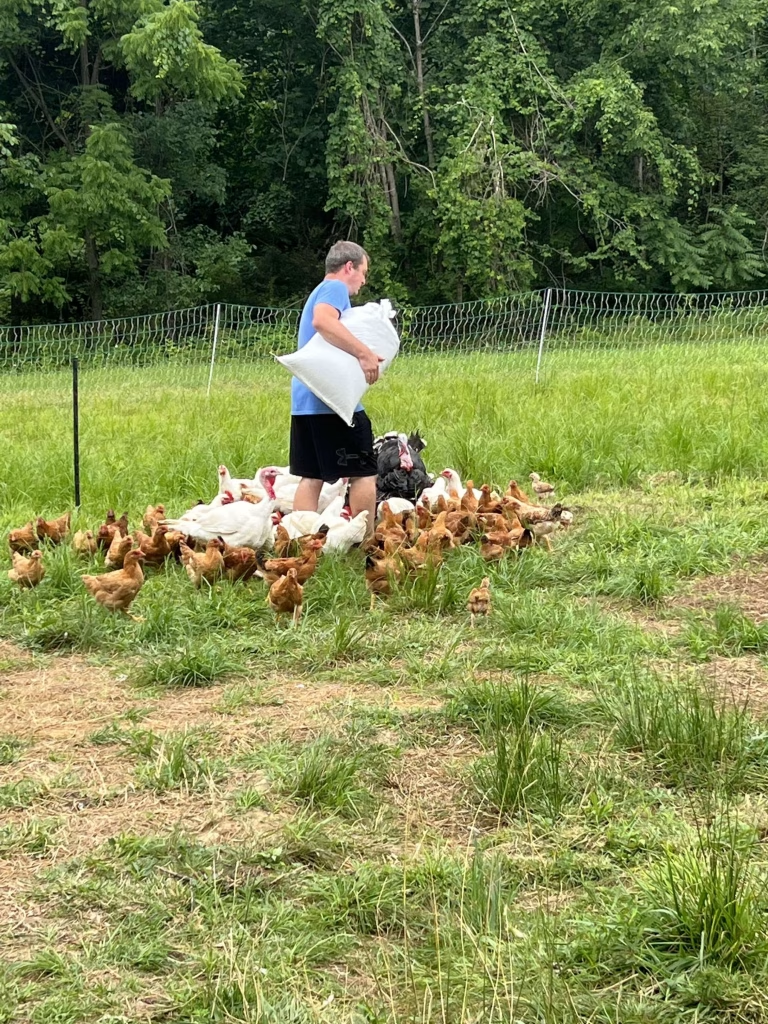
The result, done consistently, is measurable improvement in pasture quality over time. The birds are doing fertility work: depositing nitrogen, aerating the soil surface with their scratching, and breaking pest cycles by eating larvae. The coop is just the housing. What you’re actually managing is a grazing tool.
How it fits into the broader rotation
At Stella Manor, the chicken tractors run behind the cattle rotation. The cattle graze a paddock, move on, and a few days later the chickens come through. The chickens break up the manure pats, eat the fly larvae that would otherwise hatch, and add their own fertility on top of what the cattle left. Joel Salatin has written about this kind of multi-species sequencing at length; I’m running a version of it scaled to 55 acres.
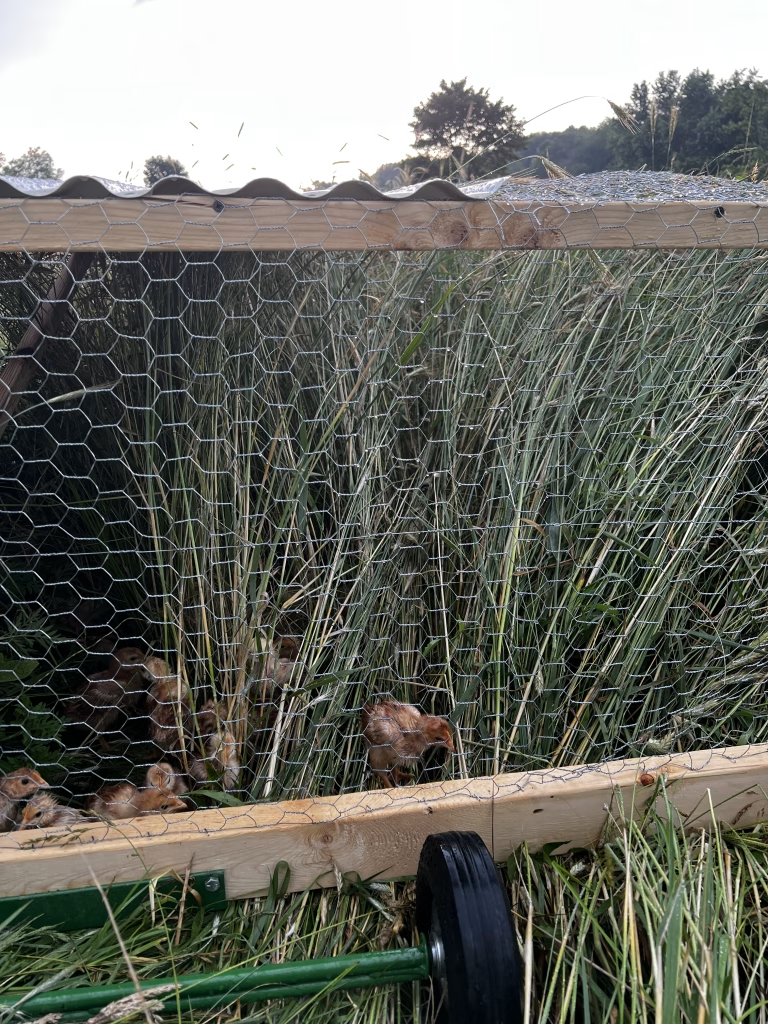
You don’t need 55 acres for this to work. Even on a small property, rotating chickens across sections of yard or garden beds produces meaningful results, improved soil biology, reduced pest pressure, and birds that are healthier and more productive because they’re eating a varied, natural diet.
Build vs buy for tractors
I recently contributed to a broader guide on the chicken coop build vs buy question, worth reading if you’re setting up any kind of coop. When it comes to chicken tractors specifically, I almost always build rather than buy. Pre-built tractors exist, but they tend to be either too light to be predator-resistant or too heavy to move easily. Building your own lets you hit the right balance for your specific birds and terrain.
A basic tractor for 6–8 birds can be built from lumber, hardware cloth, and a couple of hinges in a weekend. The design doesn’t need to be complicated. It needs to be secure, well-ventilated, and light enough to drag across wet ground without destroying the pasture underneath it.
Static coops still have a role
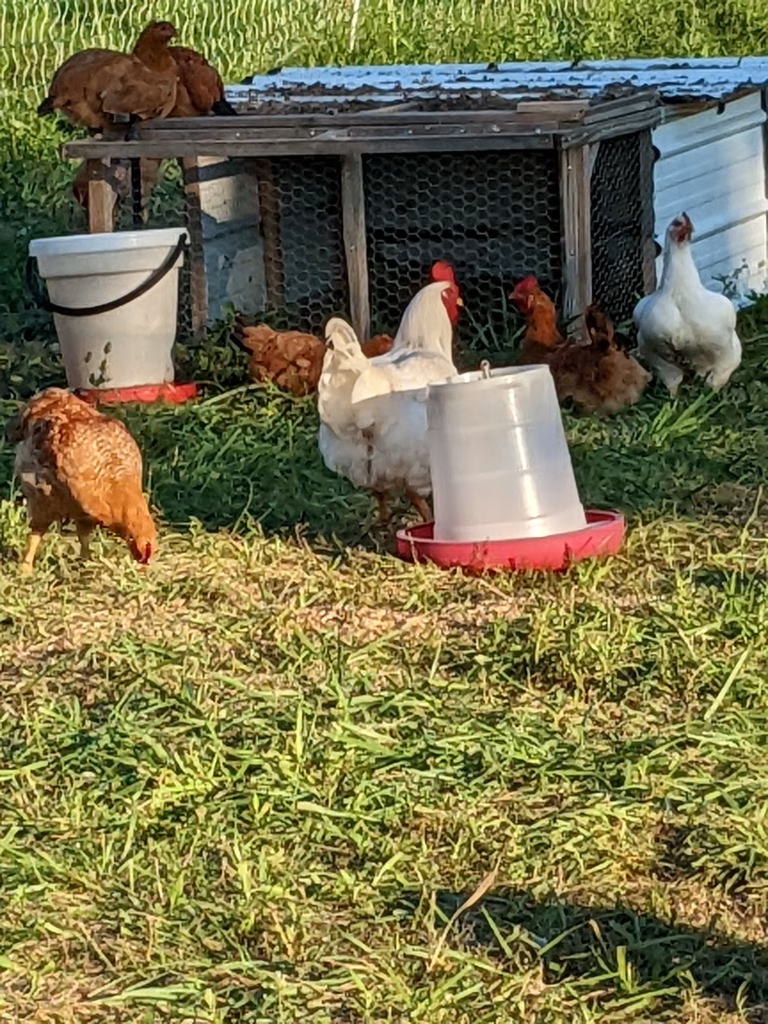
I run both at Stella Manor. Breeding groups, Silkies, birds that need more controlled environments, those live in static housing, some built, some pre-built. The 2017 manufactured coop I bought is still in service and gives me no trouble.
Tractors don’t replace static coops. They’re a different tool for a different job. If you’re thinking regeneratively about your land, the question worth asking is what role your chickens can play in the system, not just where to house them.
Getting started
If you’ve never used a chicken tractor and you want to try it, start small. Build one unit, run 6–8 birds, move it every 3–4 days, and watch what happens to the ground underneath over a season. Most people don’t need much convincing after that first year.